
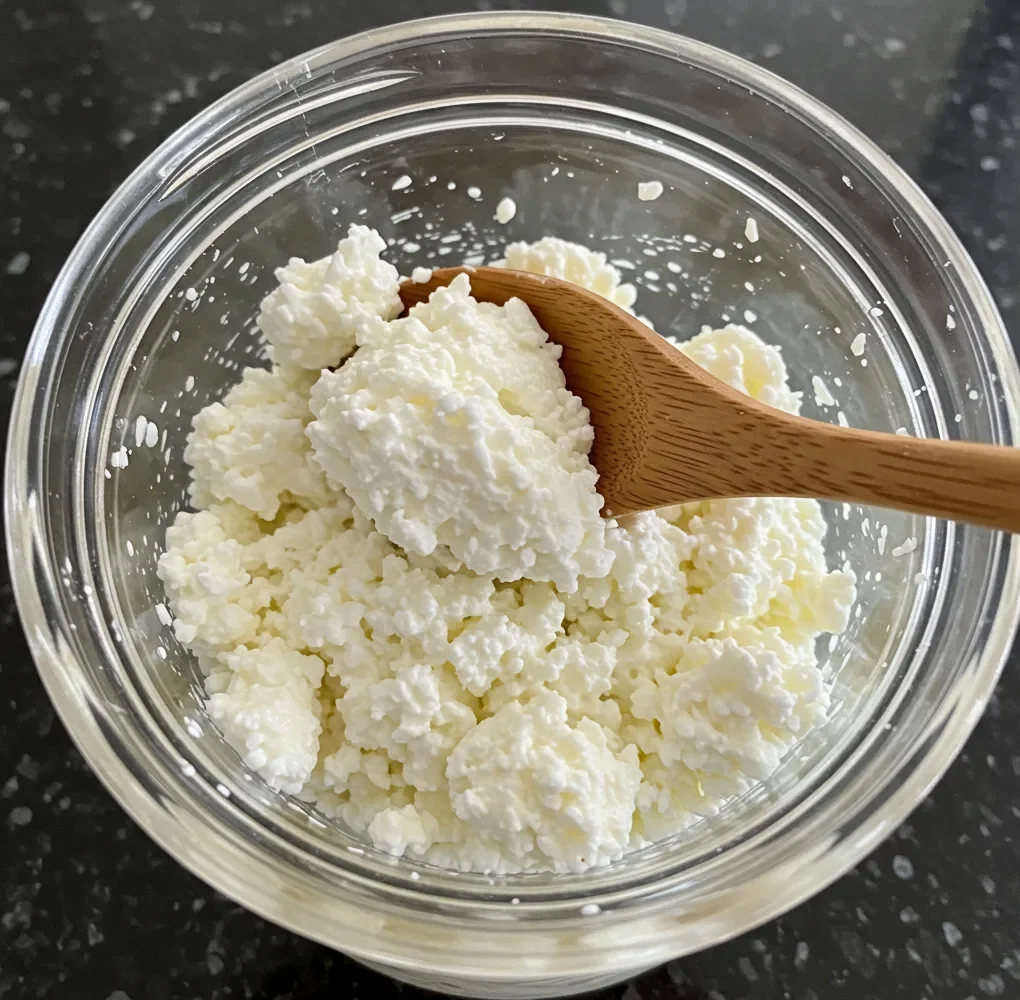
Cottage cheese has been a kitchen staple for generations, cherished for its creamy texture, mild flavor, and nutritional value. While store-bought versions are convenient, there’s something special about making it yourself at home. Homemade cottage cheese is fresher, more customizable, and free from unnecessary preservatives. Plus, it’s surprisingly simple to prepare—you only need a few ingredients and a little patience. The process is as much about tradition as it is about taste, offering a hands-on experience that connects you to a timeless method of dairy preparation. Whether you enjoy it sweet with fruit, savory with herbs, or as part of a healthy snack, learning how to make cottage cheese at home can be a rewarding and delicious skill.
Why You’ll Love This Recipe
There are countless reasons to fall in love with homemade cottage cheese. First, it’s fresher than anything you’ll buy at the store—no long shelf-life compromises, no additives, just pure dairy goodness. Second, it’s cost-effective. Milk is far cheaper than buying tubs of cottage cheese, and you can make a generous batch at home for less money. Third, it’s versatile. Cottage cheese can be enjoyed plain, seasoned, sweetened, or incorporated into recipes like pancakes, salads, or dips. Fourth, it’s nutritious—high in protein, calcium, and essential nutrients, making it perfect for breakfast, snacks, or even post-workout fuel. Lastly, making your own allows for customization. You control the salt level, creaminess, and curd size, tailoring it exactly to your preferences. Once you try fresh, homemade cottage cheese, you may never go back to the store-bought kind.
Ingredients
(Tip: You’ll find the full list of ingredients and measurements in the recipe card below.)
The beauty of cottage cheese lies in its simplicity—you only need a few basic ingredients to make it from scratch:
Whole Milk – Fresh, full-fat milk works best for rich and creamy curds.
Vinegar or Lemon Juice – These acids help separate the curds from the whey.
Salt – To enhance flavor; you can adjust to taste.
Heavy Cream (Optional) – For a creamier texture and richer flavor.
Ingredient Notes:
Always choose fresh milk; ultra-pasteurized milk can sometimes affect curd formation.
The choice between vinegar and lemon juice comes down to preference—vinegar produces a slightly tangier flavor, while lemon juice adds a delicate citrus note.
Cream is optional but gives cottage cheese that luscious, store-quality creaminess.
Directions
Making homemade cottage cheese is straightforward and can be done in under an hour:
Step 1: Heat the Milk
Pour your milk into a large saucepan and place it over medium heat. Warm it slowly until it reaches about 190°F (just below boiling). Stir occasionally to prevent scorching.
Step 2: Add the Acid
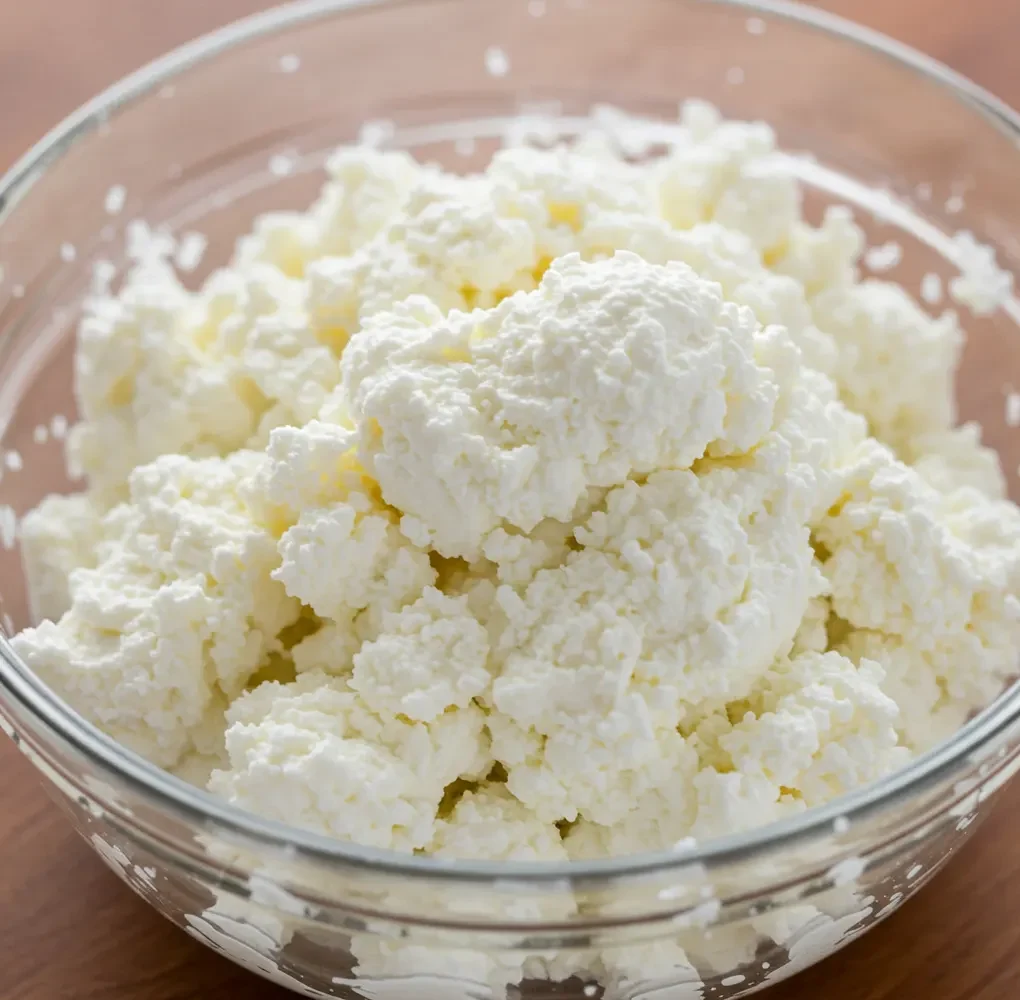
Once the milk is hot, remove it from the heat and stir in vinegar or lemon juice. You’ll see the milk begin to separate into curds and whey almost immediately.
Step 3: Let it Rest
Cover the pot and let it sit undisturbed for about 10 minutes. This resting period allows the curds to fully develop.
Step 4: Strain the Curds
Line a colander with cheesecloth and place it over a large bowl. Pour the curds and whey into the colander, allowing the liquid whey to drain off. For drier cottage cheese, let it drain longer; for softer curds, reduce draining time.
Step 5: Rinse and Season
Rinse the curds under cold water to remove excess acidity, gently stirring with a spoon. Sprinkle with salt to taste and, if desired, stir in a bit of heavy cream for richness.
Step 6: Serve or Store
Enjoy immediately or store in an airtight container in the refrigerator.
Servings and Pairing
Homemade cottage cheese is incredibly versatile when it comes to serving and pairing. You can enjoy it as a simple snack topped with fresh fruit like pineapple, berries, or peaches. For a savory twist, add fresh herbs, cracked pepper, and sliced tomatoes. It also pairs beautifully with toast, crackers, or salads for a quick and healthy lunch. Athletes and fitness enthusiasts often mix it into smoothies or pair it with hard-boiled eggs for extra protein. If you’re cooking, try using it in baked goods like pancakes, muffins, or lasagna for a creamy boost. The mild, slightly tangy flavor complements both sweet and savory dishes, making it one of the most adaptable foods in your kitchen.
Variations
Homemade cottage cheese is a blank canvas for creativity. Here are some delicious ways to customize it:
Herbed Cottage Cheese – Mix in fresh chives, parsley, or dill.
Sweet Cottage Cheese – Add honey, cinnamon, or vanilla extract.
Spicy Cottage Cheese – Stir in chopped jalapeños, chili flakes, or hot sauce.
Fruit-Infused Cottage Cheese – Fold in diced peaches, pineapple, or mango for a tropical touch.
Creamy Cottage Cheese – Add extra cream and blend lightly for a smoother texture.
These variations not only enhance flavor but also let you enjoy cottage cheese in new and exciting ways, keeping it far from boring.
Storage/Reheating
Store homemade cottage cheese in an airtight container in the refrigerator for up to 4–5 days. Because it’s fresh and free of preservatives, it won’t last as long as store-bought versions. Avoid freezing—it can drastically change the texture, making the curds grainy and unpleasant. Cottage cheese is typically enjoyed cold, so reheating isn’t common, but if you’re incorporating it into a hot dish like a casserole or pasta bake, simply stir it in at the end of cooking to preserve its creamy texture.

FAQs
1. Can I use skim milk instead of whole milk?
Yes, but the texture will be less creamy and the curds smaller. Whole milk is recommended for best results.
2. Why didn’t my milk form curds?
This can happen if you used ultra-pasteurized milk or if the milk wasn’t hot enough before adding the acid.
3. Can I make this without vinegar or lemon juice?
You can use citric acid or even yogurt as an alternative, but vinegar and lemon juice are the most reliable.
4. Is homemade cottage cheese healthier than store-bought?
Generally, yes—because you control the ingredients and avoid additives or excessive sodium.
Conclusion
Homemade cottage cheese is a wholesome, easy-to-make dairy product that offers freshness, flavor, and flexibility. With just a few ingredients and simple steps, you can create a batch tailored exactly to your taste preferences. Whether you enjoy it sweet, savory, or mixed into your favorite recipes, making cottage cheese at home is a satisfying way to connect with traditional cooking methods while enjoying a healthy, protein-rich food.
Print
Homemade Cottage Cheese
- Total Time: 1 hour
- Yield: 4 cups
- Diet: Vegetarian
Description
Fresh, creamy, and easy to make—this homemade cottage cheese recipe uses just 4 ingredients and delivers delicious results in under an hour. Perfect for snacks, salads, and more.
Ingredients
- 1 gallon whole milk (not ultra-pasteurized)
- ½ cup white vinegar or lemon juice
- 1 teaspoon salt (adjust to taste)
- ½ cup heavy cream (optional, for creamier texture)
Instructions
- Heat the Milk – Pour milk into a large pot. Heat over medium until it reaches 190°F, stirring occasionally to prevent scorching.
- Add the Acid – Remove from heat. Stir in vinegar or lemon juice until curds form.
- Rest – Cover and let sit for 10 minutes.
- Strain the Curds – Pour into a cheesecloth-lined colander, letting whey drain off.
- Rinse & Season – Rinse curds under cold water, sprinkle with salt, and stir in cream if desired.
- Serve or Store – Enjoy fresh or refrigerate in an airtight container for up to 5 days.
Notes
- Use the freshest milk possible for the best flavor.
- For softer curds, reduce draining time; for firmer curds, let it drain longer.
- Lemon juice gives a mild citrus note; vinegar offers a sharper tang.
- Save the whey—it’s great for baking bread or adding to smoothies.
- Prep Time: 10 minutes
- Cook Time: 50 minutes