

The Japanese Egg Sandwich, often called Tamago Sando, is a quiet masterpiece of simplicity. Found in convenience stores, cafés, and home kitchens across Japan, this sandwich proves that a few carefully prepared ingredients can create something deeply comforting and memorable. Soft, pillowy milk bread filled with creamy, delicately seasoned egg salad offers a balance of richness and restraint that feels both nostalgic and refined.
Why You’ll Love This Recipe
The appeal of a Japanese Egg Sandwich lies in its elegance and ease. It requires only a handful of ingredients, yet the result feels special enough for guests or weekend meals. The eggs are cooked just until tender, mashed smoothly, and enriched with Japanese mayonnaise for a signature creamy texture.
This recipe is also incredibly versatile. It works well for meal prep, travels easily for packed lunches, and can be customized with minimal effort. Because the seasoning is mild, it pairs beautifully with tea, coffee, or simple side dishes. Most importantly, it highlights how thoughtful technique can elevate everyday ingredients into something extraordinary.
Ingredients You’ll Need
Here are the ingredients required to make an authentic Japanese Egg Sandwich.
Tip: You’ll find the full list of ingredients and measurements in the recipe card below.
For the Egg Filling
- 3 large eggs (about 50 g each without shell)
- ¼ teaspoon sugar
- ¼ teaspoon Diamond Crystal kosher salt
- ⅛ teaspoon freshly ground black pepper
- 2 teaspoons milk
- 2 tablespoons Japanese Kewpie mayonnaise
For the Sandwich
- 4 slices shokupan (Japanese milk bread), evenly sliced
- Salted butter, softened, for spreading
Let’s Get Started
Begin by preparing the eggs. Place the eggs in a saucepan and cover them with cold water by about an inch. Bring the water to a gentle boil over medium heat. Once boiling, reduce the heat slightly and simmer for 10 minutes. This timing ensures fully cooked yolks while keeping the whites tender.
After cooking, transfer the eggs immediately to an ice bath. Let them cool for at least 5 minutes before peeling. Cooling quickly prevents overcooking and helps maintain a smooth texture. Peel the eggs carefully, removing all shell fragments.
Place the peeled eggs into a medium bowl. Using a fork, mash them gently until mostly smooth. Some very small pieces of egg white are fine, but the goal is a creamy consistency rather than a chunky salad.
Add the sugar, salt, black pepper, and milk to the eggs. Mix until well combined. The sugar does not make the filling sweet but enhances the natural richness of the eggs. Stir in the Japanese mayonnaise last, folding gently until the mixture becomes silky and uniform.
Next, prepare the bread. Lightly butter one side of each slice of shokupan. The butter creates a moisture barrier and adds richness without overpowering the eggs.
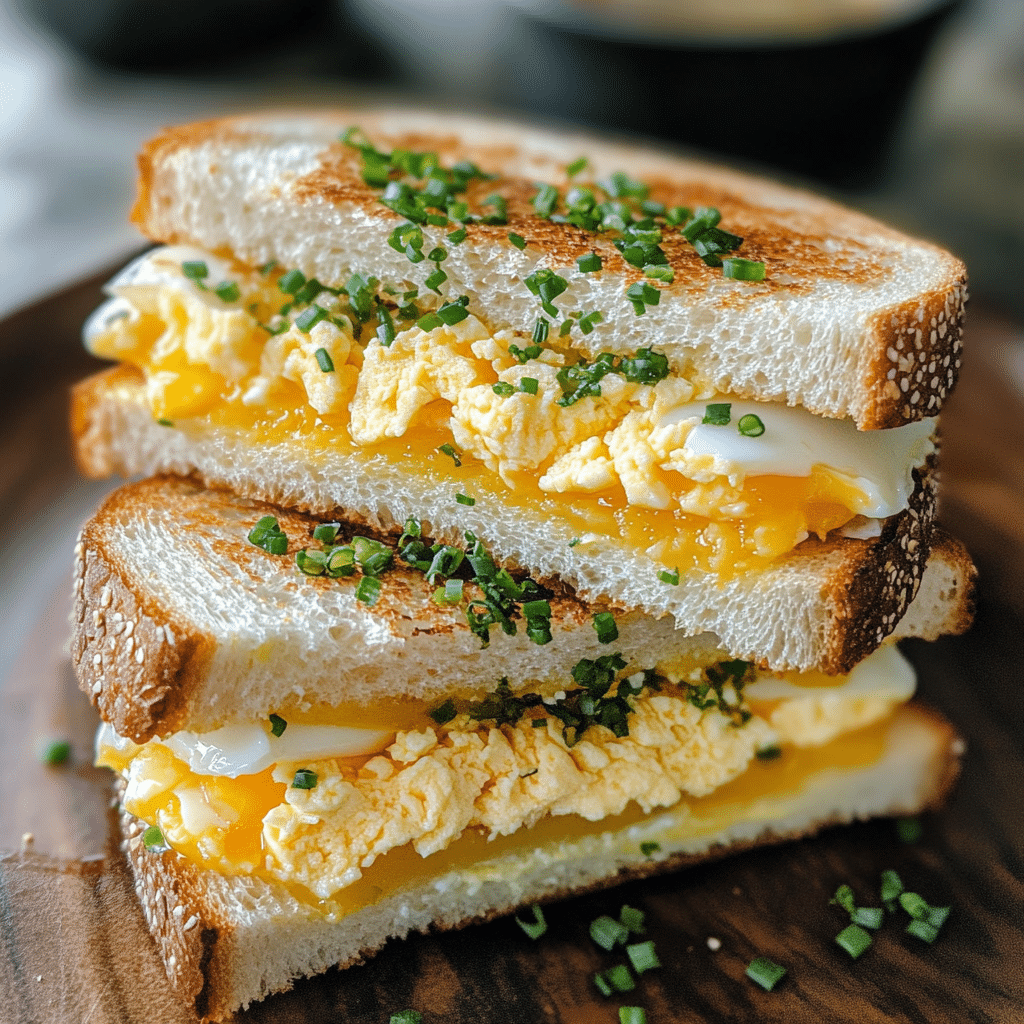
Divide the egg mixture evenly between two slices of bread, spreading it gently from edge to edge. Top with the remaining slices, buttered side facing inward. Press lightly to set the sandwich without compressing the bread.
For a traditional presentation, trim the crusts using a sharp knife, then cut each sandwich in half. Serve immediately or chill briefly before serving for cleaner slices.
Servings and Pairing Variations
This recipe makes two sandwiches, ideal for one generous serving or two lighter portions. Japanese Egg Sandwiches pair beautifully with simple sides such as fresh fruit, cucumber salad, or a small bowl of soup.
For variations, consider adding a thin layer of finely chopped chives to the egg mixture for subtle freshness. A touch of white pepper can replace black pepper for a more traditional Japanese flavor profile. If shokupan is unavailable, use soft white sandwich bread with minimal crust and avoid heavily textured loaves.
Storage Tips
Japanese Egg Sandwiches are best enjoyed fresh, but they can be stored for short periods if needed. Wrap tightly in plastic wrap and refrigerate for up to 24 hours. Chilling helps the filling set, making the sandwich easier to slice, but extended storage may dry out the bread.
If preparing ahead, store the egg filling separately in an airtight container for up to two days and assemble the sandwich just before serving for optimal texture.
FAQs
Can regular mayonnaise be used instead of Kewpie?
Yes, but Japanese Kewpie mayonnaise has a richer, slightly tangy flavor due to egg yolks and rice vinegar. If substituting, add a small splash of milk and a pinch of sugar to mimic the texture and balance.
Why is sugar added to the eggs?
The sugar enhances the natural flavor of the eggs rather than making the filling sweet. It creates the gentle, rounded taste typical of Japanese-style egg dishes.
Is shokupan essential?
Shokupan is ideal due to its soft, fluffy crumb, but any very soft white bread can work if sliced evenly and crusts are removed.
Can the eggs be cooked soft instead?
Traditionally, the eggs are fully cooked for safety and texture. Softer yolks will change the consistency and shorten storage time.
Final Thoughts
The Japanese Egg Sandwich is a lesson in thoughtful cooking. With simple ingredients and careful preparation, it delivers comfort, balance, and elegance in every bite. Its softness, subtle seasoning, and creamy texture make it a timeless recipe that fits seamlessly into everyday life.
Print
Japanese Egg Sandwich
- Total Time: 20 minutes
- Yield: 2 servings
- Diet: Vegetarian
Description
A classic Japanese egg sandwich made with creamy seasoned eggs and soft milk bread for a simple, comforting meal.
Ingredients
- 3 large eggs (about 50 g each, without shell)
- ¼ teaspoon sugar
- ¼ teaspoon Diamond Crystal kosher salt
- ⅛ teaspoon freshly ground black pepper
- 2 teaspoons milk
- 2 tablespoons Japanese Kewpie mayonnaise
- 4 slices shokupan (Japanese milk bread), evenly sliced
- Salted butter, softened, for spreading
Instructions
- Place eggs in a saucepan and cover with cold water. Bring to a boil, then simmer for 10 minutes.
- Transfer eggs to an ice bath and cool completely before peeling.
- Mash peeled eggs in a bowl until mostly smooth.
- Add sugar, salt, black pepper, and milk, mixing until combined.
- Gently fold in Japanese mayonnaise until creamy.
- Lightly butter one side of each bread slice.
- Spread egg mixture evenly onto two slices and top with remaining bread, buttered side facing inward.
- Press gently, trim crusts if desired, and cut sandwiches in half before serving.
Notes
- Use very soft white bread if shokupan is unavailable.
- Chill sandwiches briefly before slicing for cleaner edges.
- Mash eggs finely for a smoother, authentic texture.
- Prep Time: 10 minutes
- Cook Time: 10 minutes